Thinking about trading LA’s buzz for more room, trail access, and quieter nights? If the Conejo Valley is on your radar, you are not alone. Many Angelenos look northwest for larger homes, strong local amenities, and a different daily rhythm. This guide gives you a clear picture of life in Thousand Oaks, Westlake Village, Oak Park, Agoura Hills, and Calabasas, plus housing expectations, commute reality, school basics, risk considerations, and a practical moving timeline. Let’s dive in.
Conejo Valley at a glance
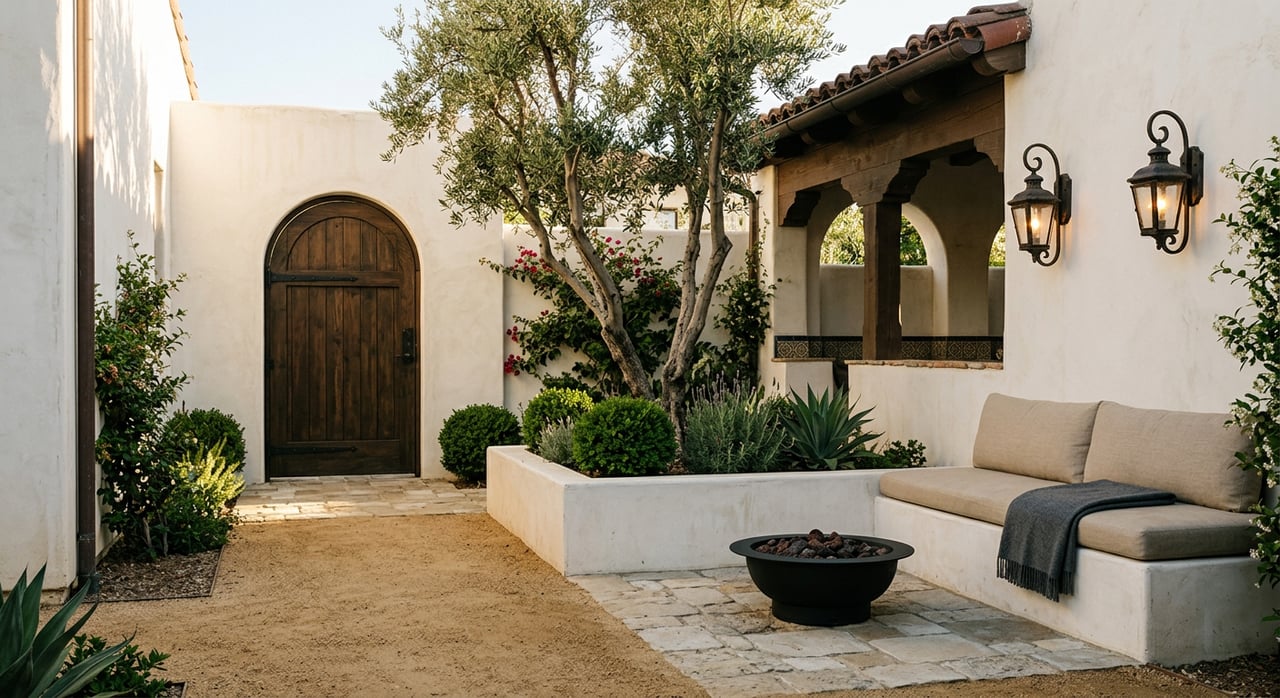
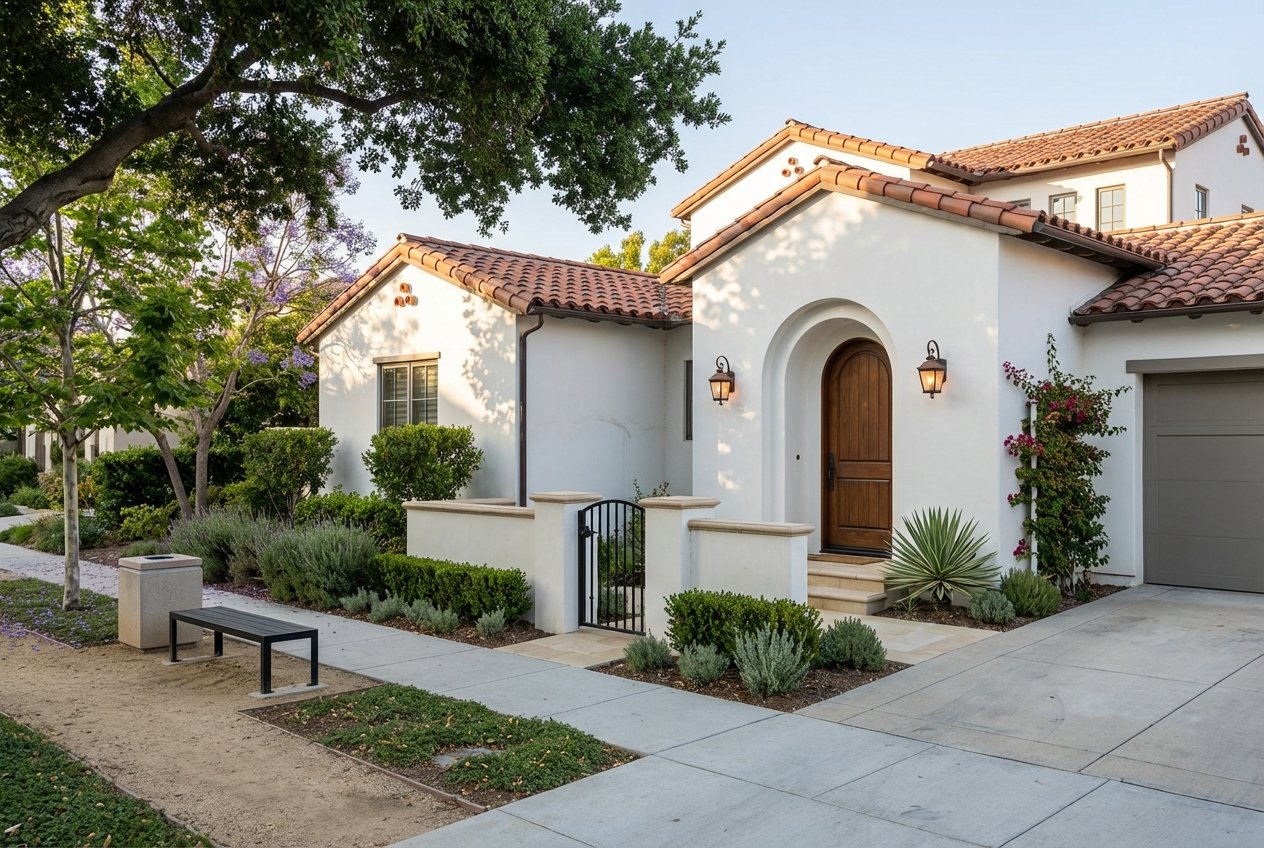
Conejo Valley living is suburban and car oriented. You will see more single‑family homes, larger lots, and planned communities with HOA amenities. Local retail centers are convenient, and trailheads are often minutes away.
Nightlife and dining are more low key than central LA. For specialized services or cultural institutions, many residents still head into the San Fernando Valley or the city. The overall pace is calmer, and open space is part of everyday life.
Demographically, you will find higher rates of owner‑occupancy and more family households compared with many LA neighborhoods. Some pockets, including Westlake Village and Calabasas, skew more affluent.
Housing types and price context
What you will find
- Predominantly single‑family homes from the 1960s to 1990s, with remodels common
- Townhomes and condos near commercial corridors and community hubs
- More garages, driveways, and private yard space than many central LA neighborhoods
- Frequent HOAs in planned and gated communities; budget for dues and review CC&Rs
Community snapshots
- Thousand Oaks: Mid‑century and tract homes, newer infill, and condos near shopping and parks.
- Westlake Village: Planned neighborhoods, lake‑adjacent townhomes and condos, and luxury homes with HOA amenities.
- Calabasas: Hillside estates, newer gated developments, and many single‑family homes from the 1970s onward.
- Agoura Hills: Smaller single‑family neighborhoods, hillside properties, and a suburban town center feel.
- Oak Park: Primarily single‑family homes with some custom builds and newer construction.
Costs and market feel
Conejo Valley pricing for single‑family homes often sits at similar or higher levels than many LA areas, with Westlake Village and Calabasas at the higher end. Thousand Oaks and Agoura Hills tend to land in the middle of suburban price ranges. Rentals include single‑family homes and townhomes, with rates that remain elevated but can be competitive with premium LA neighborhoods. Exact numbers change quickly, so use current local market reports to set realistic expectations.
Commute and transportation
Typical routes and times
US‑101 is the main artery to LA, with CA‑23 providing north‑south connections. Depending on your destination, the 118 or 405 may make sense. Peak‑period drives into central LA often exceed 45 to 60 minutes, and some days can run 90 minutes or more. Many residents work hybrid schedules to avoid peak traffic when possible.
A smart move is to test your commute at your target hours before you commit. A weekend or midday drive will not reflect daily reality.
Transit options
Transit is limited compared with central LA. Some residents drive to Metrolink’s Ventura County Line stations such as Moorpark, Simi Valley, or Chatsworth. Local options include Thousand Oaks Transit and Ventura County Transit services, though frequencies are typically lower and door‑to‑door times can exceed driving. Park‑and‑ride setups are common, and last‑mile links may still require a car or rideshare.
Schools and public services
Public school overview
Many Conejo Valley public schools are part of Conejo Valley Unified School District and Las Virgenes Unified School District. These districts often show strong academic indicators compared with county and state averages. Always confirm current school boundaries, programs, and enrollment policies directly with the districts before you sign a lease or make an offer.
Safety and local services
Crime rates reported in several Conejo Valley cities are generally lower than Los Angeles citywide averages, though conditions vary by neighborhood. Review local police and agency dashboards for up‑to‑date data. Cities and the county manage police, fire, and parks, with regional hospitals and medical centers serving the area.
Wildfire, flood, and insurance
The Conejo Valley sits on the wildland‑urban interface. Review Cal Fire Fire Hazard Severity Zone maps and local defensible‑space rules for any property you consider. Wildfire exposure can affect insurance availability and premiums. Creekside areas may have specific flood considerations, so also check FEMA flood maps. Ask your insurance broker about mitigation, hardening requirements, and documentation timelines.
Utilities and property taxes
Electric, gas, and internet are served by regional providers similar to LA. Water, sewer, and trash vary by city or district. Some parcels, especially in parts of Oak Park, may be on septic systems. In California, property taxes generally follow Prop 13 guidelines with a base rate around 1 percent of assessed value plus local assessments. Verify specifics for each parcel with the county.
Lifestyle and amenities
Outdoors and parks
If you love trails, this area delivers. You have ready access to the Santa Monica Mountains, Conejo Valley Open Space, and Wildwood Regional Park in Thousand Oaks. Beaches are typically a 25 to 45 minute drive, depending on traffic and starting point.
Shopping and culture
You will find convenient retail centers like The Oaks in Thousand Oaks and Westlake Village Commons. Cultural anchors include the Thousand Oaks Civic Arts Plaza and seasonal events across the valley. Dining scenes are smaller than central LA but continue to grow.
Neighborhood feel
Expect quiet streets, weekend sports, and community events. Gated and HOA‑governed neighborhoods are more common in Westlake Village and Calabasas, with rules that help maintain community standards. Pet owners benefit from more yard space, dog parks, and access to outdoor areas.
Moving timeline and checklist
3–6 months out: research and plan
- Decide whether to buy or rent first based on budget and timing
- Tour neighborhoods in person and during peak commute windows
- If buying, review HOA rules, insurance needs, and likely premiums
- If selling in LA, interview listing agents, plan repairs, and schedule photos
- If renting, set alerts and prep references, credit, and income docs
6–8 weeks out: book and confirm
- Get written estimates and book your mover or truck
- Start school transfer steps, including transcripts and immunization records
- Set up utilities for your new address and schedule shutoff at your current home
- Verify community move‑in rules, parking, and elevator or gate access if applicable
2–4 weeks out: finalize logistics
- Label and pack by room with a priority unpack list
- File mail forwarding and update banks, subscriptions, and DMV as needed
- Confirm any defensible‑space or landscape work required by your insurer
- Recheck commute routes at your expected start time
Move week and closing
- Do a final walk‑through to confirm repairs and collect manuals
- Clean out your old home and cancel remaining local services
- On arrival, test utilities and check smoke and CO alarms
- Note trash days, HOA rules, and amenity registration steps
First 30–90 days
- Register to vote and update your driver’s license if you changed counties
- Attend any HOA orientation and review architectural guidelines
- Explore alternate commute routes and timing for consistency
- Meet neighbors, visit parks, and sample local shops to find your routines
Smart prep tips
- Budget for HOA dues, insurance, and potential brush mitigation if near open space.
- Verify school boundaries and application windows before you commit to a property.
- For older homes, review permits, roof and system ages, and recent remodel quality.
- If you work hybrid, align in‑office days with lower‑traffic windows when possible.
- Plan for car dependence and consider park‑and‑ride options where feasible.
How Renee helps you move with confidence
A successful move is about details. From virtual tours and neighborhood previews to vendor coordination and closing checklists, you deserve a single point of contact who keeps everything on track. As a boutique, high‑touch agent backed by Berkshire Hathaway HomeServices, Renee Rosen offers buyer and seller representation, relocation coordination, and concierge‑level project management for staging, repairs, and scheduling.
Whether you want a quick rental landing pad in Thousand Oaks, a move‑up home in Westlake Village, or a gated property in Calabasas, you will get clear guidance and steady communication from first consult to keys in hand. Ready to explore your options or get a tailored game plan for your timeline? Connect with Renee Rosen to start your Conejo Valley move.
FAQs
Will I need a car in the Conejo Valley?
- Yes, daily life is largely car dependent, though some residents combine park‑and‑ride, Metrolink, and local transit when it fits their route.
How long are commutes to central Los Angeles?
- Peak commutes commonly run 45 to 90 minutes or more depending on the day, destination, and start time; always test your route at commute hours.
What should I know about schools before I choose a neighborhood?
- Check district and school boundaries, programs, and enrollment policies with Conejo Valley Unified and Las Virgenes Unified before you commit to a home.
Are homes more expensive than many LA neighborhoods?
- Often yes for single‑family homes, especially in Westlake Village and Calabasas, while Thousand Oaks and Agoura Hills tend to sit in the middle of suburban price ranges.
Is wildfire insurance available in the Conejo Valley?
- Generally yes, but terms and premiums vary by location and mitigation; review Cal Fire maps, local rules, and consult an insurance broker early.
Can I rent first, then buy once I learn the area?
- Many newcomers secure a rental to test commute patterns and school logistics, then buy with better clarity on neighborhood fit and budget.
What ongoing costs should I plan for beyond the mortgage or rent?
- Plan for HOA dues where applicable, property taxes with local assessments, utilities, insurance, and potential landscape or defensible‑space upkeep.