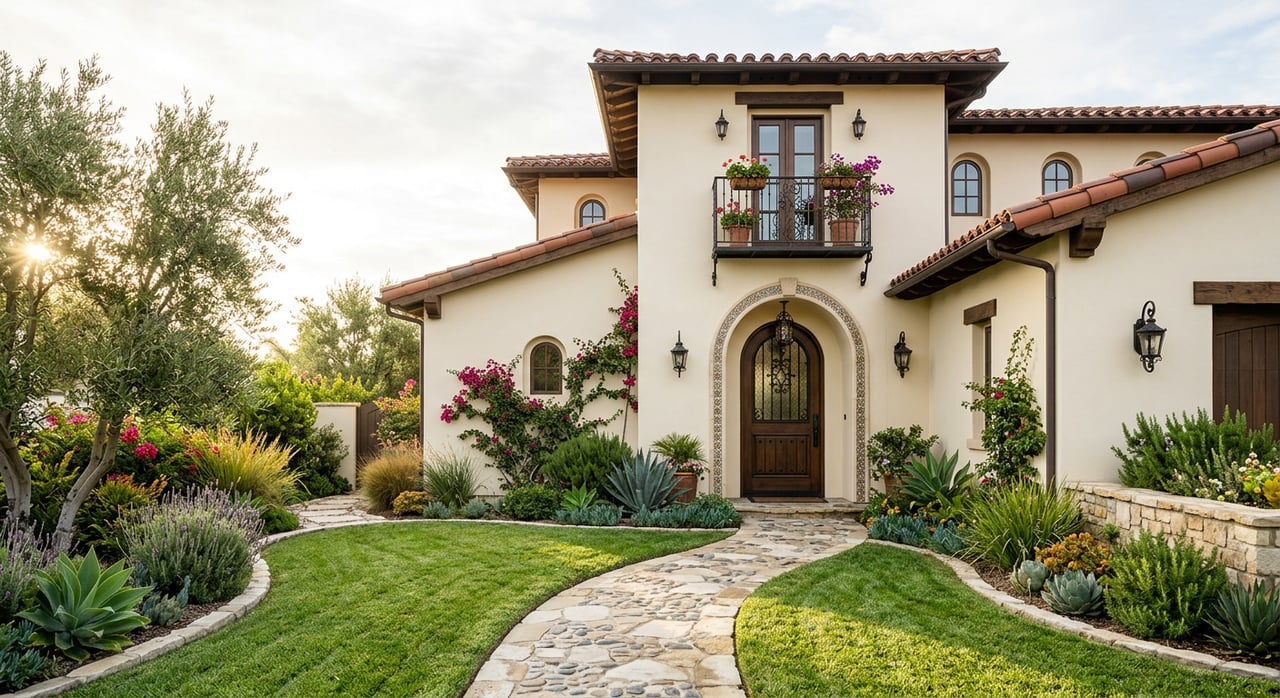
Thinking about Calabasas and wondering which neighborhood truly fits your day-to-day life? Maybe you want a walkable spot for coffee runs, a lakeside community with amenities, or a private hillside retreat with views. It can be hard to compare options when each area offers something different. In this guide, you’ll learn how Old Town, the lake-area communities, and the hillside enclaves feel to live in, what homes cost, how commutes work, and how to choose the right fit for you. Let’s dive in.
Where Calabasas fits in LA
Calabasas sits in the southwestern San Fernando Valley at the foothills of the Santa Monica Mountains, about 29.9 miles northwest of downtown Los Angeles. You get access to both the Valley and the coast from this base, with trailheads and canyon drives nearby. Calabasas’ location and context set the stage for a lifestyle that blends suburban comfort with outdoor access.
Quick facts can help you frame expectations. The 2020 Census counted 23,241 residents, and recent estimates report a median owner-occupied housing value around $1,504,500 and a median household income near $165,288. The mean travel time to work is about 34 minutes, which is useful when you compare hillside privacy with access to shops and schools. These figures come from U.S. Census QuickFacts.
Old Town Calabasas: walkable and social
Daily rhythm and local anchors
Old Town is the most walkable pocket in Calabasas. Centered along Calabasas Road and Library Park, it offers pedestrian-scale storefronts, local eateries, and a weekly farmers market. You can grab a coffee or brunch at Pedalers Fork, then stroll over to the historic Leonis Adobe Museum for a dose of local history and family-friendly programming. Civic spaces near the library add a small-town vibe that is rare in the suburban Valley.
Housing and tradeoffs
Expect a mix of older single-family homes and nearby townhomes or condos. Lots and yards tend to be smaller than in the hillside tracts, but everyday errands are easier. If you value being able to meet friends on foot and having events close by, Old Town delivers. If you need a large yard or estate-scale privacy, it may feel tight.
Lake and planned neighborhoods: amenities and convenience
How these communities live
Neighborhoods around Lake Calabasas and Park Sorrento focus on built-in conveniences. Most are within a short drive to city recreation programming, communal pools, playgrounds, and walking paths. The commercial core is The Commons at Calabasas, a popular shopping and dining hub that anchors daily errands.
Who they suit
These areas work well for buyers who prioritize neighborhood amenities, shorter drives to services, and straightforward routines. Many communities highlight direct access to lakeside loops and nearby swim and tennis facilities. If you want a predictable, low-maintenance lifestyle with HOA support, this cluster tends to deliver.
Housing and costs to plan for
You’ll find townhomes and mid-to-large single-family homes on smaller, managed lots. HOA dues vary based on amenities and gated access. When you tour, ask about what the HOA covers, any special assessments, and rules for landscaping and exterior updates. Build dues and insurance into your monthly budget so you have a full picture.
Hillside enclaves and gated communities: privacy and views
What to expect day to day
The hills above the 101 include several gated enclaves such as The Oaks, Mountain View Estates, The Ridge, and Mont Calabasas, with adjacent areas like Hidden Hills and Bell Canyon just beyond city limits. Homes here emphasize privacy, views, and security. Long driveways, guest facilities, and larger yards are common. The tradeoff is a longer, hillier drive to restaurants and shops, especially in peak hours.
Security, seclusion, and lifestyle tradeoffs
Many streets are private or guard-gated, which shapes how deliveries, visitors, and contractors access your home. Some press coverage often mentions a celebrity presence in these enclaves, but the practical takeaways for you are privacy features, HOA rules, and commute patterns. If you prefer a quiet setting with strong separation between homes, the hills offer it. If you want to be steps from coffee or the grocery store, you might prefer Old Town or the lake-area tracts.
Shopping, dining, and weekends
Where you gather
Daily life in Calabasas tends to revolve around two hubs. Old Town has independent cafes and a boutique feel, with spots like Pedalers Fork that double as community hangouts. The Commons at Calabasas offers mainstream dining and retail in an outdoor setting. Old Town residents often walk to their favorites, while lake-area and hillside residents plan short drives.
Outdoor access and trails
If you love the outdoors, you are close to some of the best trail networks in greater Los Angeles. King Gillette Ranch, home to the Santa Monica Mountains interagency visitor center, offers trailheads, programs, and scenic spaces right at the city’s edge. Learn more about current features through the Santa Monica Mountains visitor center update. For larger hikes and picnics, Malibu Creek State Park sits nearby with multi-use trails and wide-open views.
Schools and practical planning
Most of Calabasas is served by the Las Virgenes Unified School District, and Calabasas High School is the primary public high school. You can review district background on the Las Virgenes Unified School District overview, and you should always confirm current attendance boundaries directly with the district.
For errands, lake-area and planned neighborhoods often mean shorter drives to grocery and services at The Commons. Old Town residents can walk to a coffee shop, a few restaurants, and civic services. In the hills, you trade a bit more driving for a quieter, more secluded home setting. Citywide, the mean one-way commute is about 34 minutes, according to Census QuickFacts.
What homes cost and how to budget
Market snapshots for the 91302 area have recently placed the median sale price in the high single-millions, around $1.8 million, though conditions change month to month. Citywide Census data shows a median owner-occupied housing value of about $1,504,500, which reflects the broader value base for homeowners.
Expect a wide range of options. Condos and townhomes can appear in the low-to-mid six figures. Suburban single-family homes commonly run from about $1 million to $4 million. Gated hillside estates often trade for several million and can reach into the tens of millions in the most exclusive pockets. Your total cost of ownership will include:
- HOA dues for communities with lake access, amenities, or gated security
- Property taxes and any special assessments
- Insurance and maintenance that can be higher for hillside and estate properties
Calabasas sits along the wildland-urban interface. That gives you amazing trail access, yet it also means wildfire risk and vegetation management are real planning factors. If you are evaluating a hillside property, review local guidance and mitigation context, such as state parks’ post-fire access updates, to understand seasonal conditions. A starting point is the California State Parks resource page for Malibu Creek.
How to choose your Calabasas fit
Use this simple framework to focus your search:
- Prioritize lifestyle. Decide whether walkable coffee and a weekly market, built-in neighborhood amenities, or hillside privacy matters most.
- Map your routine. Compare your most common routes to work, school, and activities. Assume hillside drives add time at rush hour.
- Decide on HOA and amenities. Clarify whether you want on-site maintenance, pools, paths, and gated access, plus which dues you are comfortable carrying.
- Plan for outdoor access and risk. If you want to live near trailheads, also plan for brush clearance, insurance, and seasonal considerations.
- Build a full budget. Include HOA dues, property taxes, insurance, and likely maintenance so you can compare neighborhoods apples-to-apples.
- Test-drive a day in the life. Visit Old Town in the morning, loop the lake area in the afternoon, then tour a hillside community at sunset to feel the differences.
Ready to explore homes?
If Calabasas is on your radar, you deserve a guided, detail-driven plan that fits your routine and timing. From virtual previews and neighborhood comparisons to vendor coordination and smooth closings, you can move forward with confidence. Reach out to Renee Rosen to start your Calabasas search.
FAQs
Is Calabasas walkable, and where?
- Old Town is the most walkable pocket, with cafes, the Leonis Adobe Museum, and a weekly farmers market close together; most other areas are car-oriented with short drives to The Commons.
What is the commute like from Calabasas?
- The citywide mean one-way commute is about 34 minutes per U.S. Census QuickFacts, with hillside routes typically adding time during peak hours.
Which neighborhoods have the most amenities?
- Communities around Lake Calabasas and Park Sorrento offer HOA-maintained amenities like pools, playgrounds, and walking paths, plus quick access to The Commons at Calabasas.
What school district serves Calabasas?
- Most of the city is served by the Las Virgenes Unified School District, with Calabasas High School as the primary public high school; confirm current boundaries with the district and see LVUSD background here.
How much do homes cost in Calabasas?
- Recent snapshots place the median sale price around the high single-millions and Census shows a median owner-occupied value near $1.5 million, with condos and townhomes lower and hillside estates much higher.
What should I budget beyond the purchase price?
- Plan for HOA dues in amenity and gated communities, property taxes, and potentially higher insurance and maintenance in hillside areas that border open space.
Where do locals shop and dine?
- Old Town features independent cafes like Pedalers Fork, while The Commons at Calabasas is the main hub for everyday shopping and dining.